Data center construction boom driving historic manufacturing opportunities

By Shefali Kapadia

If someone told Trey Travis five years ago he’d be walking the floor of a supercomputing show, he wouldn’t have believed them.

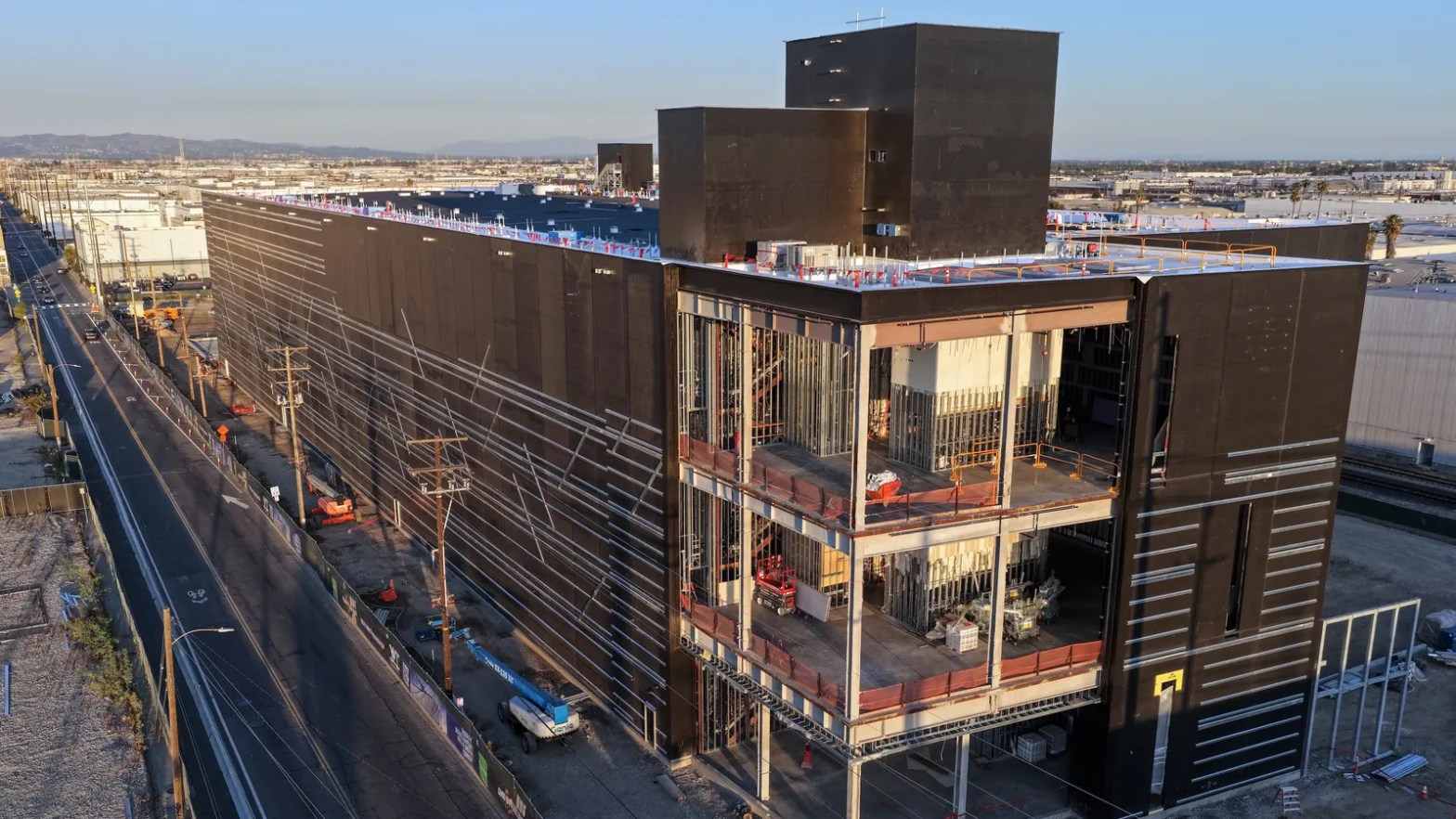
Georgia-based Southeastern Hose, where Travis is VP of operations, manufactures corrugated metal hoses and traditionally serves customers in industries such as steel and petrochemicals. But the hoses have another purpose: providing cooling and exhaust for data centers. 

As the adoption of artificial intelligence spurred an acceleration in data center construction, orders for his hoses started to trickle in, turning into a deluge last year with another swell of growth since January.

“It’s not that the dam opened,” Travis said. “They just took the dam out of the river and it’s flowing like crazy.”

Continue reading on Manufacturing Dive.

Facebook fraud becomes lightning rod

By Shefali Kapadia

Social media platforms, especially Facebook, have become a hotbed for payment scams, putting financial institutions in a position of playing the last line of defense to stop money transfers from a victim to a criminal.

The Federal Trade Commission tallied the toll on consumers last month in a new report: $2.1 billion in losses in 2025 for consumers who said they were victimized by a scam that started on social media. Consumers reported losing more money to scams that originated on Facebook than on any other social media platform, the report said.

A Consumer Federation of America report this year cited similar earlier findings. Among online platforms, 57% of reported scams were on Facebook, according to CFA’s March report, which cited 2024 Better Business Bureau data.

“Facebook is the worst in terms of safety for people from scams,” said Ben Winters, director of AI and privacy at the Consumer Federation of America. 

Continue reading on Payments Dive.

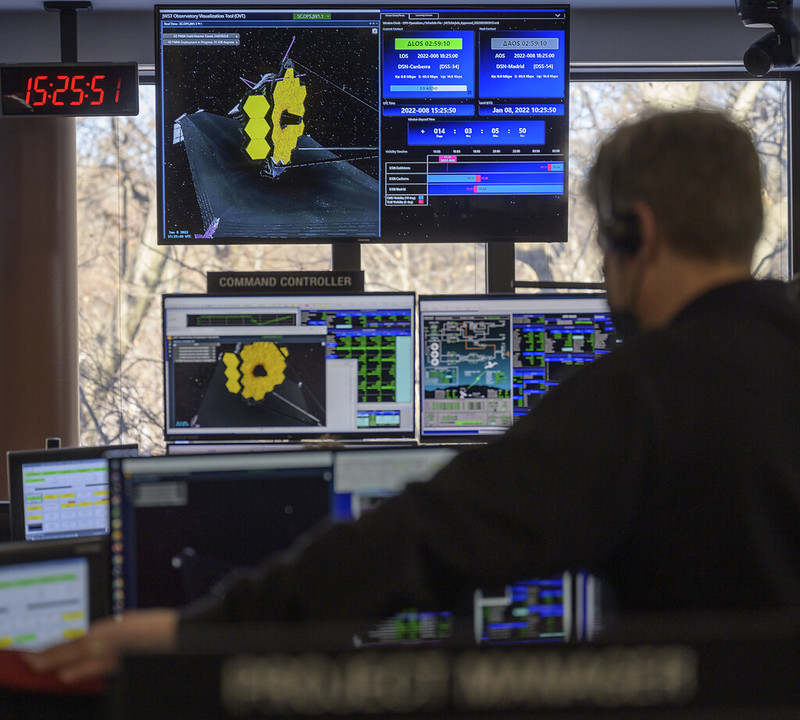
How NASA is using AI and digital twins to replicate outer space on Earth

By Shefali Kapadia

When NASA’s Mars rover, Perseverance, needs to move from point A to point B, it’s not as simple as plugging in GPS directions. The rover has to avoid boulder fields, sand dunes, and steep slopes on a foreign planet.

To help chart a course for Perseverance, NASA has enlisted the help of AI and a digital twin. Digital twins are particularly useful to NASA, which “operates in some of the most extreme environments imaginable,” said Kevin Murphy, acting chief artificial intelligence officer at NASA. The technology creates a virtual replica of the actual environment and conditions, helping NASA scientists understand real-time conditions in places like outer space and Mars.

Like NASA, the broader aerospace industry is also embracing the use of digital twins with AI. Human oversight and verification are essential for aircraft and weapons that may put people’s lives at risk, said Karen Willcox, director of the Oden Institute for Computational Engineering and Sciences and professor of aerospace engineering and engineering mechanics at the University of Texas at Austin.

Continue reading on Business Insider.

Inside CPG’s AI advertising boom, from Super Bowl spots to synthetic focus groups

By Shefali Kapadia

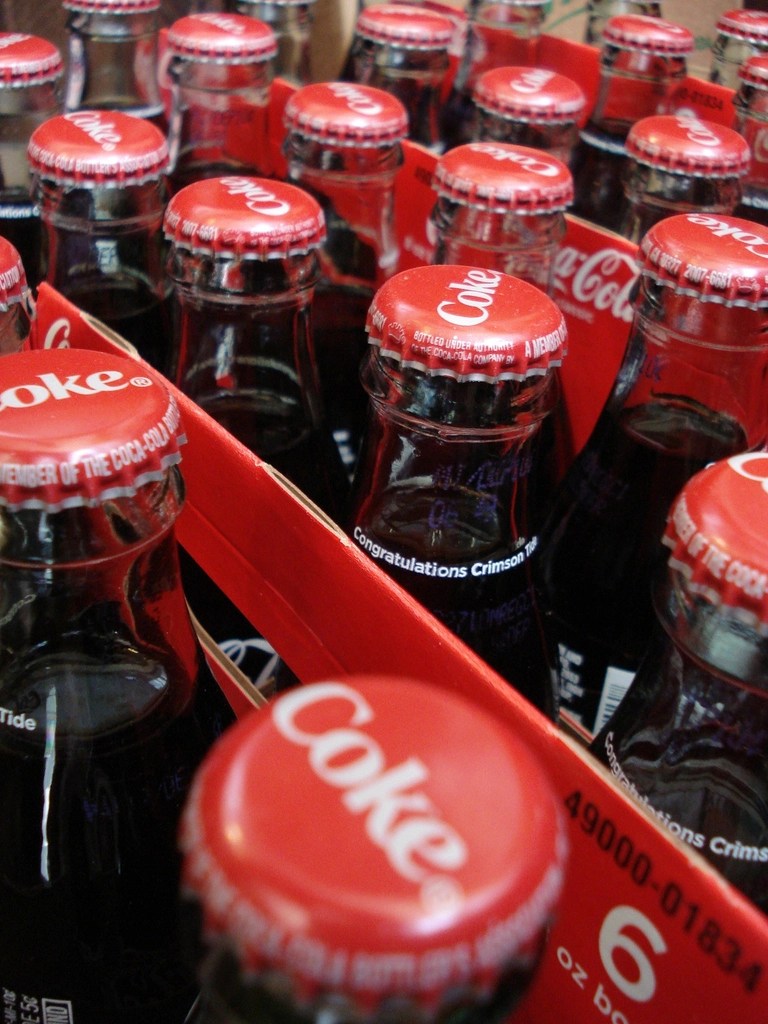
Coca-Cola’s holiday ad and Svedka’s Super Bowl commercial share more in common than promoting a beverage — both were generated with the help of AI.

The technology is catching on at consumer goods companies, with marketing leaders adding AI to their processes on both the creative and strategic sides.

As a result, assets and campaigns are coming to fruition faster than they could without AI.

Before AI, it could take Mondelēz International up to 10 weeks — from concept to production — to spin up a six- to eight-second social media video for its Chips Ahoy! character “Chip,” said Jennifer Mennes, VP and global head of digital marketing and strategy at Mondelēz International.

Now, the marketing team can prompt AI and create a video in less than five minutes. After various checks by human members of the team, the total process might take days.

Continue reading on Business Insider.

Trucking M&A outlook: Economy, technology and uncertainty may shape opportunistic deals

By Larry Avila

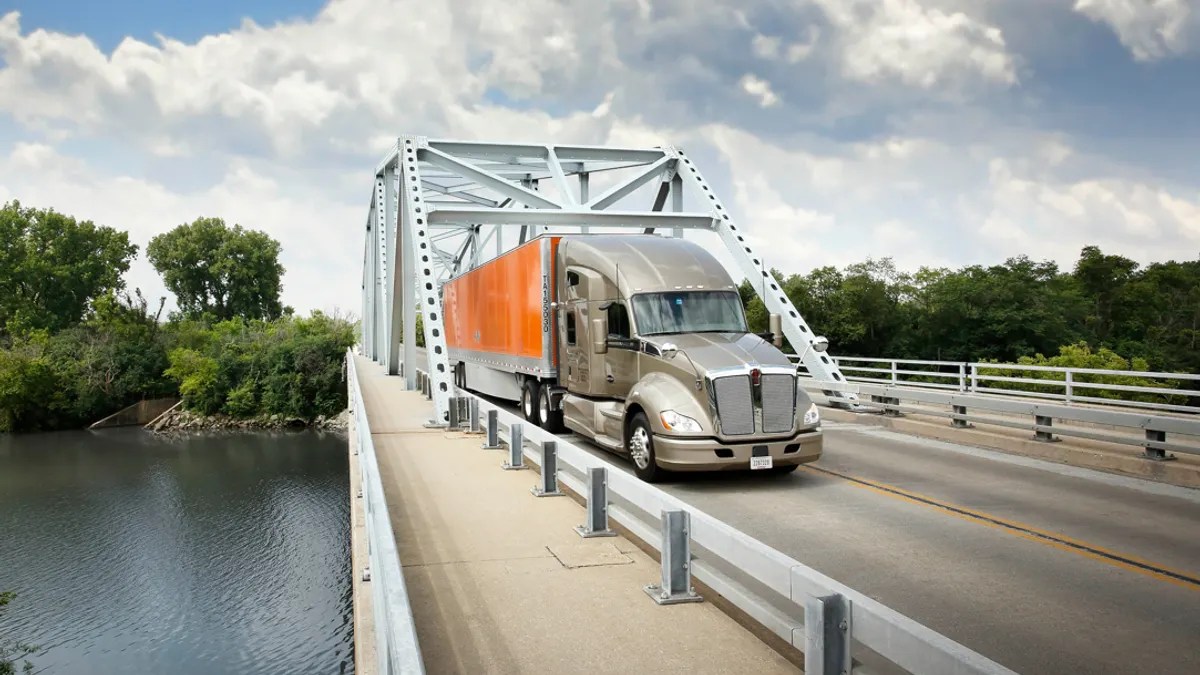
Economies of scale, specialized markets or survival may drive trucking mergers and acquisitions in 2026, industry experts suggest, although their predictions are mixed on how active dealmaking will be in the sector this year. 

Prolonged weak freight conditions and excess market capacity may sideline purchasing aspirations for some, as carriers look to reduce their capacity rather than augment it through acquisitions. However, opportunists may view the current business climate with low interest rates and distressed carriers as perfect for dealmaking.  

“The extended freight downturn is a catalyst for M&A,” said Darach Chapman, transportation and logistics deal leader for PwC. 

Continue reading on Trucking Dive.

Second-chance hiring continues to gain traction among major manufacturers

By Shefali Kapadia

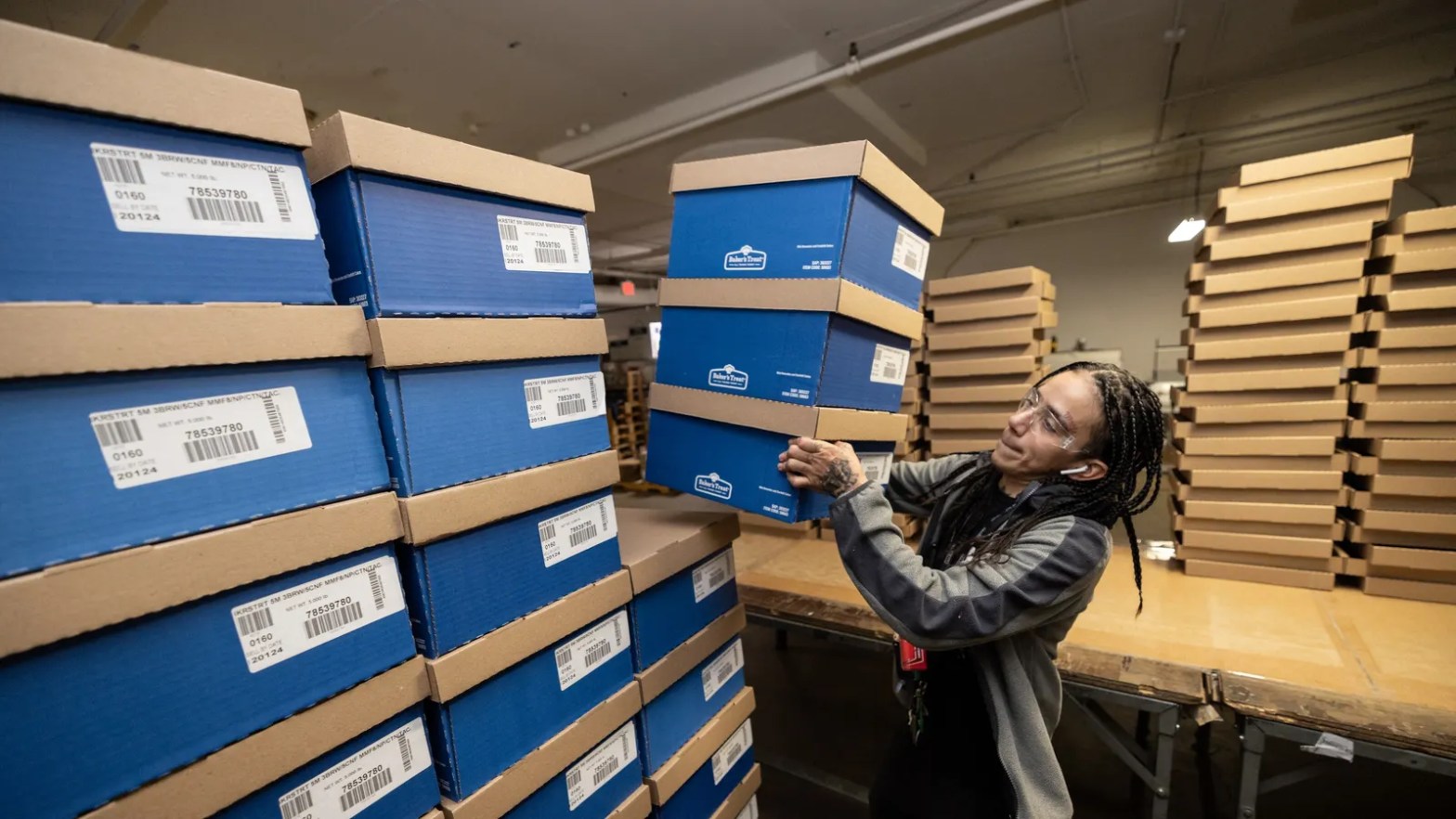
Drew Crowe had been incarcerated multiple times and was stuck in a vicious cycle, as he described it: getting “locked up,” lacking skills and having no idea how to craft a resume or secure a job. Crowe found a turning point when a manufacturing employer hired him to work as a third-shift saw operator.

“It kept my mind busy. It kept my body busy,” he said. “It gave me purpose.”

Crowe now leads the New American Manufacturing Renaissance, which consults and advises manufacturers on hiring formerly incarcerated individuals, a process known as second-chance hiring.

His journey underscores the opportunity that manufacturing affords to people coming out of the prison system, due to the industry’s focus on skill building for workers in entry-level jobs and its push to recruit from a broader array of talent to mitigate workforce shortages.

Continue reading on Manufacturing Dive. 

How Chicago’s outskirts rose to national intermodal dominance

By Shefali Kapadia

A truck drives out of an Amazon fulfillment center in Joliet, Illinois. Another hauls an intermodal container into a nearby BNSF’s Logistics Park. And another pulls into a Lineage warehouse to pick up a refrigerated load.

It wasn’t always like this in Joliet, located in Will County to the southwest of Chicago. About three decades ago, Will County was “pretty much a sleepy” region, said Don Schaefer, president and CEO of the Mid-West Truckers Association. But thanks to the intermodal container, the county’s proximity to Chicago and an embrace of supply chain infrastructure development, Will County has become a “thriving economic hub,” Schaefer said. 

What was once a quiet county outside Chicago blossomed into a massive freight epicenter. Today, Will County is home to the largest inland port in North America, three intermodal facilities, four interstates and service from five Class 1 railroads, according to the county’s Center for Economic Development. By one estimate, multimodal freight volumes in Will County are projected to reach 600 million tons valued around $1.2 trillion by 2040. 

Continue reading on Trucking Dive.

Meet The World’s Top Companies For Women 2025

By Shefali Kapadia

When Karin Hoeing first joined BAE Systems, a U.K.-based global defense, security and aerospace company, nearly eight years ago, she was the only woman on the executive committee. But that wasn’t the only thing that made her stand out: She is German, unlike her mostly British and American male peers at the time, and she had come to BAE Systems from the oil and gas industry rather than an aerospace or defense company.

Hoeing, who is now the director of culture and business transformation in the company’s environmental, social and governance (ESG) group, admits that her atypical background led to some awkward meetings and extra work on her part to win over her fellow leaders. But she soon felt at home. “Once you have broken down the first resistance and uncertainty about you, people are very receptive,” she says of her colleagues.

Fast forward to today, and BAE Systems’ C-suite looks very different, with five females and seven males on its executive committee. The company’s progress on this front has led to more equal representation of women across leadership roles, and it’s helped the company earn the No. 25 spot on our list of the World’s Top Companies For Women 2025.

Continue reading on Forbes.

AI commerce portends potential fraud

By Shefali Kapadia

The idea of a robot automatically buying a consumer the perfect new pair of jeans is no longer a futuristic pipe dream. It’s a reality occurring now through the advent of agentic commerce, in which AI agents make purchases on consumers’ behalf.

In fact, Mastercard cardholders will have agentic AI shopping access in time for this holiday season, the company announced this month. Days before, Visa added toolkits to help developers build AI agents that connect to its Visa Intelligent Commerce.

As these payments firms roll out agentic AI capabilities, security is at the forefront of their initiatives. Industry experts see huge potential for seamless shopping experiences as agentic commerce catches on, but they also acknowledge the technology opens the doors to risks.

Continue reading on Payments Dive.

AI is slowly transforming the cold chain, the supply chain that handles your ice cream and deli meat

By Shefali Kapadia

When a shipment of refrigerated or frozen goods arrives at one of Lineage’s automated warehouses, machines spring into action. Computer-vision technology scans pallets and logs data on customers, product types, and item descriptions. AI-driven algorithms combine shipment data with historical information to predict when a truck will take the goods out of the warehouse. The technology assigns pallets a spot in the warehouse based on how long they’ll remain in the facility and directs the forklift operator where to go.

This level of technology can improve efficiency in any type of supply chain, but it’s critical in cold warehouses, where goods like frozen foods, fresh produce, and pharmaceuticals are stored. A brief deviation in temperature has the potential to damage a shipment, and warehouse managers don’t want workers spending hours without breaks in sub-zero conditions. This makes accuracy and productivity imperative in the cold chain.

Refrigeration and temperature-sensor technology have been integral to cold chains for decades, but advanced versions are now permeating the industry. Cold-chain providers are ditching manual processes for AI-driven algorithms and exploring digital twins and AI agents to make highly automated operations even more autonomous.

Continue reading on Business Insider.

Design a site like this with WordPress.com
Get started