Companies large and small are using AI for employee onboarding. It can save HR days of time.

By Shefali Kapadia

When your organization has nearly 300,000 global employees across the US, Japan, and Europe, many of whom work remotely, how do you manage onboarding new hires?

That scenario presented Hitachi with challenges to keep new employees engaged, but also an opportunity to overhaul its onboarding with an AI digital assistant this past fall.

Hitachi — along with smaller companies like Texans Credit Union — is incorporating AI into onboarding to save time and reduce delays. AI-assisted onboarding is common in tech companies, but it’s also important in high-growth firms that are rapidly adding many employees, said Edie Goldberg, the president and founder of the human resources consulting firm E. L. Goldberg & Associates.

Continue reading on Business Insider.

Testing 1, 2, 3: How CPGs get more sustainable packaging to store shelves

By Shefali Kapadia

Anyone who ordered an old fashioned or whiskey sour at the Johnnie Walker Princes Street’s 1820 bar in Edinburgh last fall may have noticed something unusual. The whiskey in the drink tasted the same, but it was poured from a different kind of bottle – a 90% paper-based bottle the brand was trialing, instead of the classic Johnnie Walker Black Label bottle made of glass. 

Over the years, pilots, trials and limited launches have been an important way for brands and their packaging partners to collaborate, experiment and advance sustainable packaging efforts.

Johnnie Walker’s parent company, Diageo, developed the new packaging as part of the Bottle Collective with PA Consulting and PulPac. Dave Lütkenhaus, global sustainability and innovation director at Diageo, said the paper bottle is 60% lighter than the glass bottle. This makes it easier for bartenders to carry and use, while still retaining the brand’s signature elements, including an embossed striding man.

“We’ve been able to combine sustainability benefits with a luxury look and feel to the bottle,” Lütkenhaus said. 

CPG brands and their packaging partners are increasingly working in tandem to set goals and success metrics as they develop, test and roll out innovative packaging solutions. Both parties recognize that designing packaging to be more sustainable frequently involves tradeoffs.

Continue reading on Packaging Dive.

Merchants maneuver as Visa enforces surcharge program

By Shefali Kapadia

Nearly two years after Visa began cracking down on surcharges, payments processors and independent sales organizations say they have a better understanding and sense of clarity on the network’s rules. 

At that time, Visa imposed a credit card surcharge cap of 3%, down from the previous cap of 4%. Many in the industry found communication and details to be lacking, and Visa’s cryptic business notices left payments professionals searching for answers.

Merchants are innovating in the market to cover rising interchange fees Visa charges them whenever consumers swipe to pay with that network’s cards. Regardless of retailers’ and restaurants’ approaches, they must follow the network’s rules to accept such payments.

Lately, James Shepherd, founder and CEO of CCSalesPro, said he’s heard far fewer “rumblings” about the card giant’s surcharge changes, including from his independent sales organization clients.

Continue reading on Payments Dive.

Truck driving: A diverse, but not inclusive, industry

By Shefali Kapadia

Women make up only about 10% of truck drivers, by some estimates. Several organizations have sprung up, focused on addressing female drivers’ unique needs and concerns on the road. 

One of those organizations is REAL Women in Trucking (RWIT)founded by truck driver Desiree Wood after she saw firsthand the many dangers on the road. We caught up with Wood, president of RWIT, to learn her story, her top tips and what the public gets wrong about female drivers. 

Continue reading on The Inside Lane.

From lotions to linens: How hotel marketplaces can boost guest loyalty

By Shefali Kapadia

Four Seasons’ bed linens and JW Marriott’s shampoo aren’t just for guests staying in the hotels anymore. The items are available for sale on dedicated websites, so customers can cozy up in Four Seasons sheets at home, or wash their hair with JW Marriott Ylang Ylang Shampoo in their own shower. 

For decades, selling in-room items has been a powerful way for hoteliers to earn revenue and enhance the guest experience. With the advent of e-commerce, luxury hotel chains could more seamlessly sell and ship products, forging deeper connections with their guests and reminding customers of the brand in everyday life. 

“When our guests use a candle with a signature scent from one of our hotels or sleep on their own hotel mattress at home, they are transported back to their hotel stay,” said Dana Hopp Peritz, vice president of retail and experiences at Marriott International. 

Continue reading on Hotel Dive.

6 months after Baltimore’s bridge collapse, lessons are emerging for a rebuild

By Shefali Kapadia

A key feature is missing over the Patapsco River in Baltimore. The water still glistens, and cargo ships still pass by on their way in and out of the port. But the Francis Scott Key Bridge, which had spanned the river since 1977, is no longer there.

In March, a container ship crashed into one of the bridge’s piers. The bridge collapsed, killing six people. Rescue efforts began immediately, and local authorities sprang into action to keep commerce and traffic flowing.

Now, six months out, the conversation has shifted from recovery to rebuilding. The Maryland Transportation Authority board approved a $73 million phase-one contract with Kiewit Infrastructure West Co., a firm with a long history of bridge projects. The rebuild is expected to begin next year, with the replacement bridge scheduled to open in fall 2028.

James Harkness, the chief engineer for the Maryland Transportation Authority, told Business Insider the phase-one contract was one of the biggest milestones to date on the bridge-rebuilding project.

“We are beginning to meet the new team, get acquainted, and start design concepts in earnest,” Harkness said.

Continue reading on Business Insider.

Can canned food outlast competition from flexible plastic alternatives?

By Shefali Kapadia

When Sonoco announced plans to acquire European metal packaging specialist Eviosys in a nearly $4 billion deal this summer, the packaging giant made its intentions clear: It was betting big on metal food cans. 

At a time when novel materials and formats are proliferating in packaging and food companies rely on innovation to drive sales in some areas, sources say utilitarian canned food remains attractive because it’s a relatively stable market with consistent growth. 

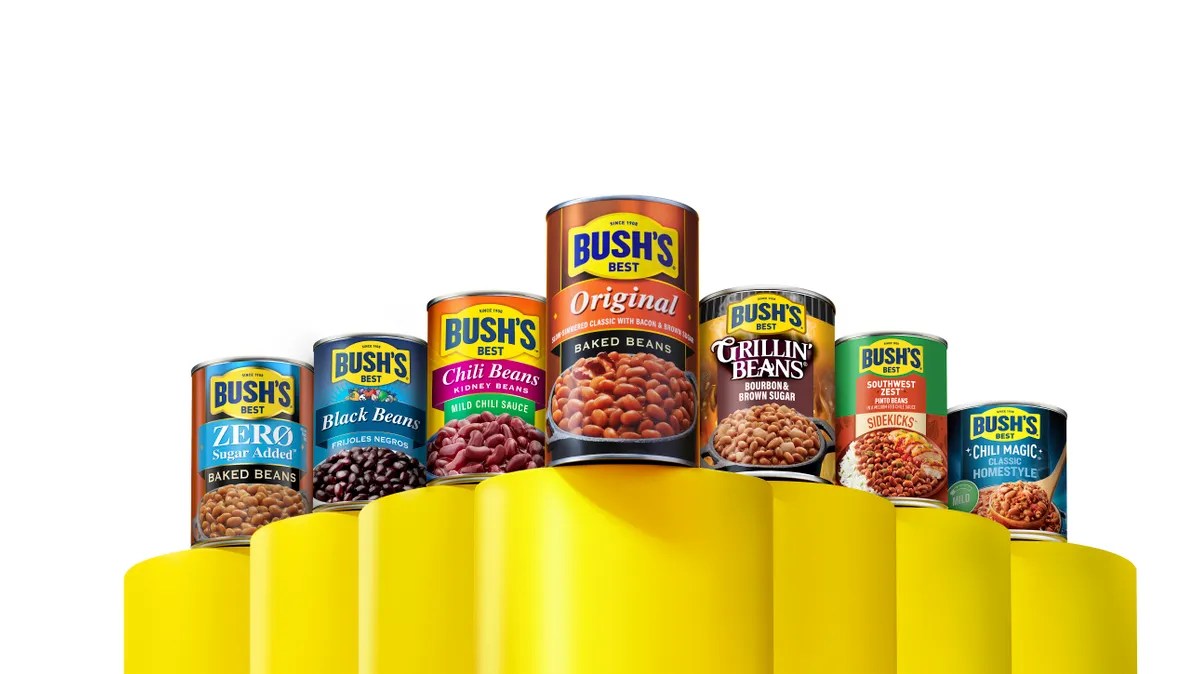
Pre-acquisition, Sonoco was bringing in $1 billion in annual revenue from metal packaging in the U.S., including aerosols for household products, along with cans for vegetables, tomatoes and beans. Sonoco expects the deal will expand its total addressable market for metal packaging to $25 billion globally. 

Competitors such as Crown Holdings (which is more focused on beverage cans) and Silgan see potential for growth in canned pet food and proteins.

A big reason packaging manufacturers are so confident in metal food cans is because their CPG customers have stuck with the material for decades. And many in the packaging industry don’t see that changing. 

Continue reading on Packaging Dive.

Social media-driven redesigns: Lessons from a packaging pickle

By Shefali Kapadia

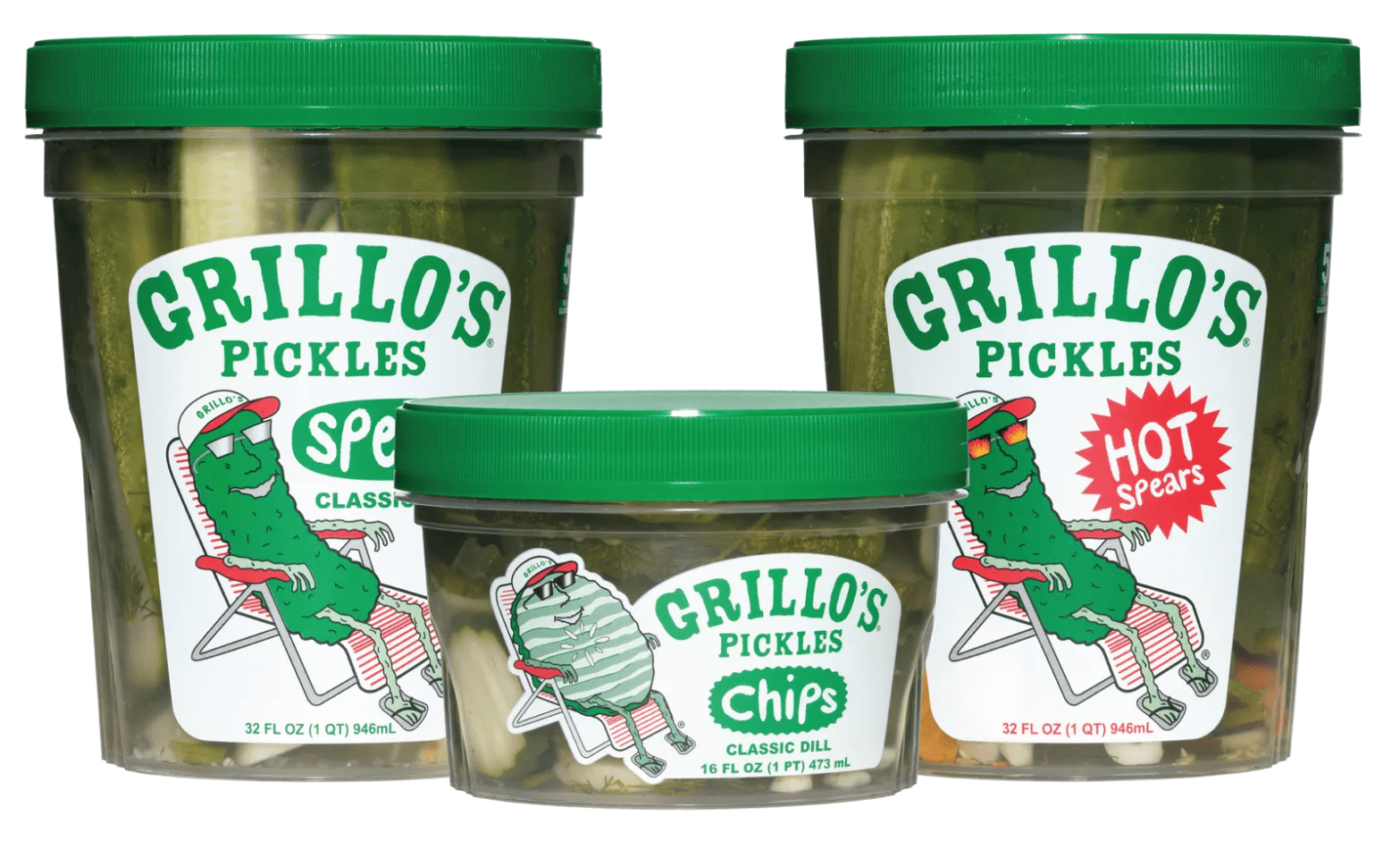
Consumers on social media were loud and clear about their thoughts on Grillo’s Pickles. They loved the pickles, but hated the packaging.

Pickle juice leaked or spilled in the refrigerator, and consumers reported hurt fingers or broken nails when opening the lid, according to Eddie Andre, vice president of branding at Grillo’s Pickles. “We knew the jar was our biggest consumer pain point,” Andre said in an email.

Grillo’s took the years of consumer feedback to heart and worked with its packaging partner, Berry Global, to develop a solution. It settled on a lid change, switching from a model that lifts up to a continuous thread closure design, which debuted this spring and is in the process of rolling out to store shelves.

“Now you can twist off the lid with no spills or sore fingers,” Andre said.

Continue reading on Packaging Dive.

Meet America’s Best Banks And Credit Unions In Each State 2024

By Shefali Kapadia

Leslie Weist knew she was assuming significant risk when she decided to secure a loan two years ago to construct a new building for her small Ohio-based business, Michael Byrne Manufacturing. So, it was critical to be able to count on the financial institution she chose as her lender.

Picking the right bank is “a major decision and undertaking,” says Weist, vice president of operations at the company. “Having a banking partner that you trust makes a big difference.”

While Michael Byrne Manufacturing already had a relationship with Park National Bank going back decades to when Weist’s grandfather ran the manufacturing company, it was the personalized service that ultimately compelled Weist to work with the Ohio-based bank on the loan. The bank’s account manager took the time to visit Michael Byrne’s manufacturing site and offices to discuss finances, and let Weist know about loan options available through the state of Ohio, which helped her secure a lower interest rate for the loan. And throughout the process, Weist never felt she was on her own: “Having someone local that you can call, meet with face-to-face … you really do build that relationship,” she says.

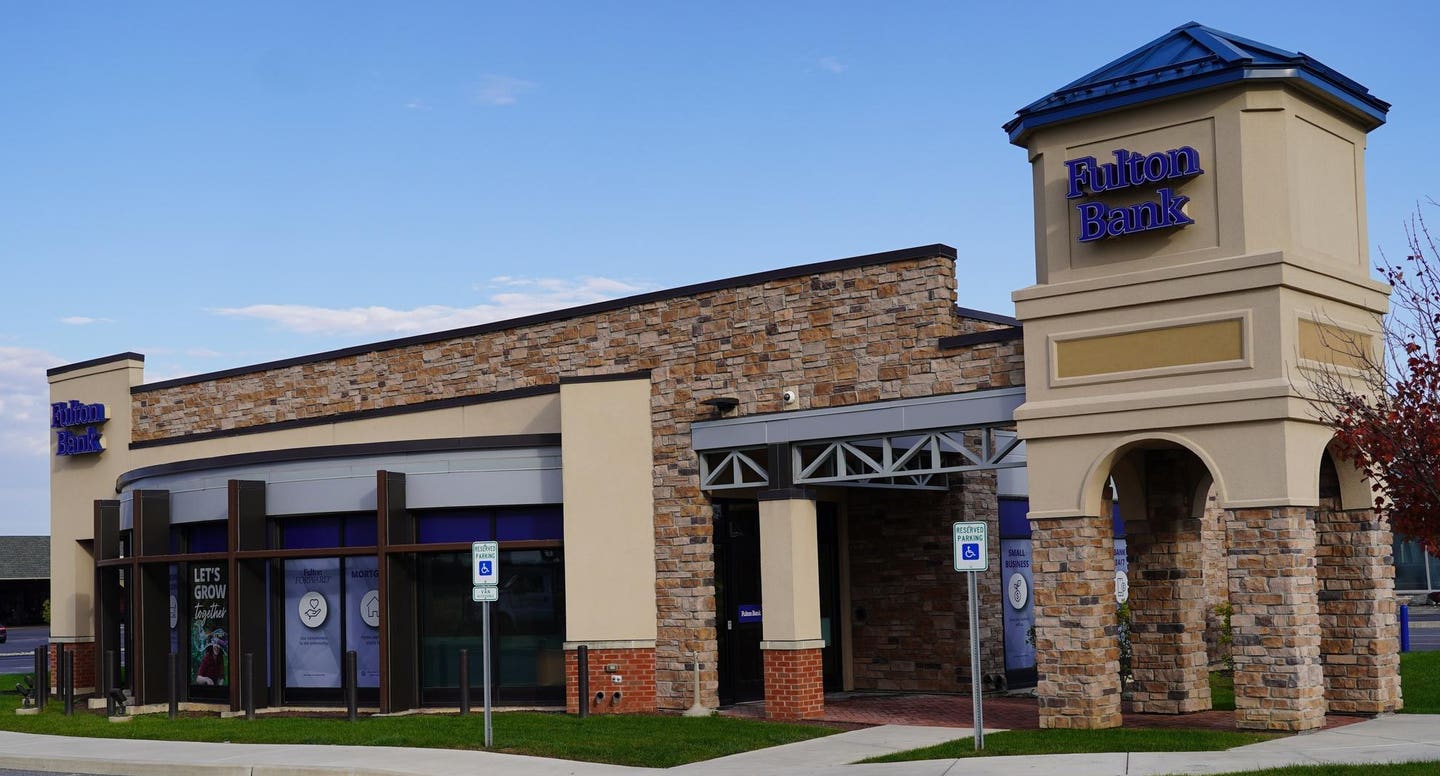
That personal touch not only won over Weist, it also helped Park National Bank earn the ranking of No. 1 bank in Ohio on Forbes’ list of America’s Best Banks in Each State 2024.

Continue reading on Forbes.

Farmers Aren’t Keeping Up With Oat Milk Demand

By Shefali Kapadia

“Oat milk latte!”

“Cappuccino with oat milk!”

A barista’s voice rises above the clamor of a café, as drinks appear on the counter. Scenes like this play out all across America today, with oat milk rapidly catching up with traditional dairy as a caffeinated beverage staple.

The plant-based drink has exploded in popularity in recent years. In roughly the last year, oat milk’s U.S. retail sales ballooned to $695 million, a 28% increase over two years, according to data company SPINS.

Randy Strychar, president of OatInformation — which focuses on oat market research and provides information to traders, millers, and more — said oat milk’s popularity has “taken demand to a new level.”

“Oat milk has certainly been a game changer” for oat crop demand, Strychar said. He estimated the beverage has added between 10% and 15% in additional demand for oats.

Continue reading on Ambrook.

Design a site like this with WordPress.com
Get started