Hershey Beefs Up Workforce, Leadership to Grow Salty Snacks Unit

By Shefali Kapadia

Hershey plans to add employees and executives to its salty snacks division to support the growing segment, company leadership told analysts on the CPG’s Q4 earnings call last week.

“One of our key strategic goals this year is really to integrate [and] scale our salty business,” CEO Michele Buck said on the call. “And so, we are adding some incremental talent there to really make sure that we have the right skill sets.”

Hershey’s careers page lists around 300 open jobs, and a handful are specifically dedicated to growing salty snacks.

Ben & Jerry’s, Frito-Lay and Oreo Put Diversity Messaging Right on the Pack. There Are Risks and Rewards.

By S.L. Fuller

If there’s one CPG brand known for taking societal and political stances, it’s Ben & Jerry’s.

The Unilever-owned line of ice cream puts company values front and center on its packaging — like when it released a design of two cows in top hats, ostensibly getting married, on the front of “I Dough, I Dough” packaging that celebrated the U.S. Supreme Court’s 2015 ruling in favor of same-sex marriage.

“We’re definitely not making choices based on popularity,” the brand’s global creative director, Ellen Kresky, told CPG Specialist.

What Target’s Plan to Cancel Orders Means for CPGs

By Shefali Kapadia

After months of building inventory to hedge against stockouts, some retailers now face the opposite problem: what to do with a glut of supply.

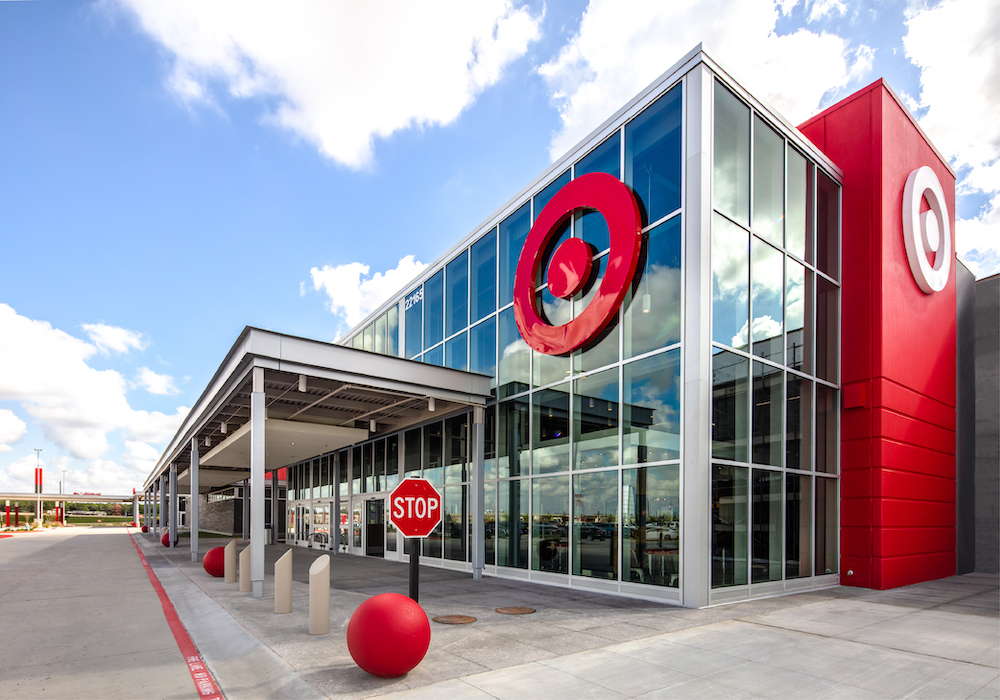
In June, Target announced plans to “right-size its inventory, ” which included markdowns and cancellations of some orders.

The actions to right-size will continue for the rest of the year. So, what are the implications for food and beverage CPGs that supply Target?

Bolthouse CEO Ready for More M&A After Acquisition From Starbucks

By Shefali Kapadia

After Bolthouse Farms announced plans to acquire Evolution Fresh from Starbucks, Bolthouse CEO Jeff Dunn described the purchase as a “perfect fit.”

Evolution Fresh’s high-end portfolio would slot neatly into Bolthouse’s premium lineup of refrigerated juices and smoothies, Dunn told CPG Specialist. Bolthouse contracts rail service from Bakersfield, California, to Chicago, which would expand Evolution Fresh’s mostly West Coast distribution. And there’s plenty of runway for the cold-pressed juice category, he said.

“We can add value to them in our core channels. And they can add a lot of value to us in their core channels,” Dunn said.

After years of ‘Made in China,’ supply chains consider alternatives

By Shefali Kapadia

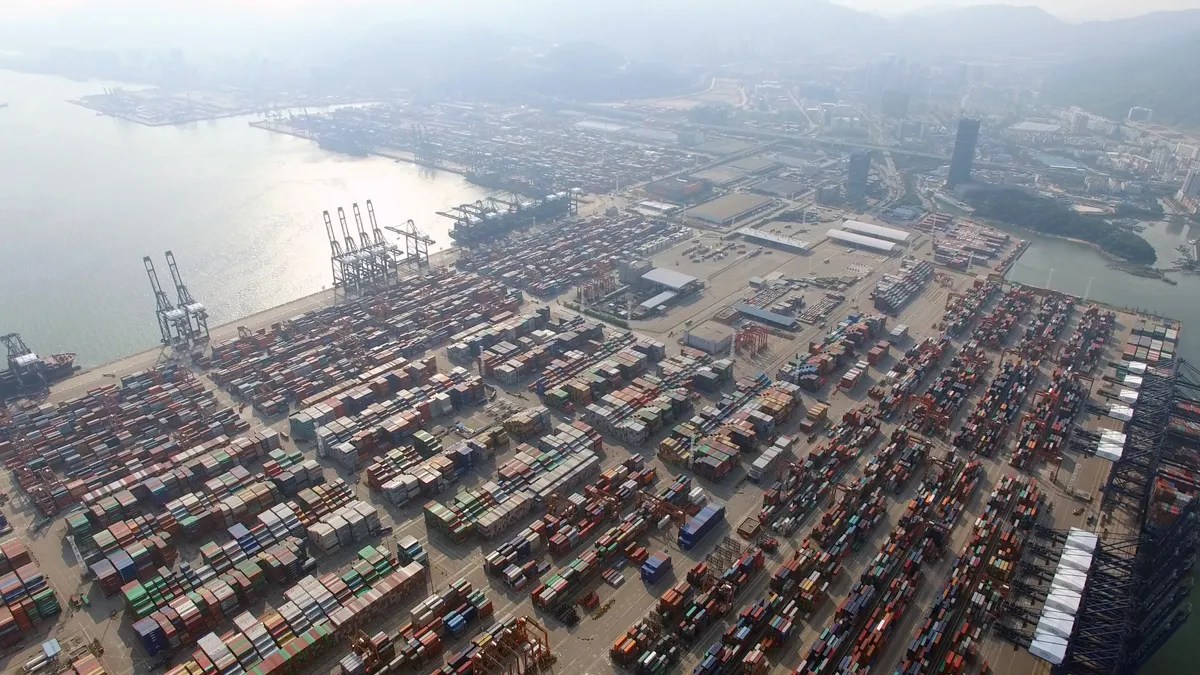
The “Made in China” label is ubiquitous in the United States, stamped on everything from industrial machinery to a pair of flip flops. But risks — from rising costs, to a trade war, to a pandemic — have prompted companies to rethink their relationships with suppliers and China.

“We’ve realized that we put too much power in a single country,” said Dawn Tiura, CEO of Sourcing Industry Group.

The change in tone from U.S. based supply chains is not a mass exodus from China. Instead, it’s an approach that embraces diversification.

The risks of single sourcing from China had been brewing for years, but they bubbled up even more during the COVID-19 pandemic. In early 2020, manufacturing and supplier operations in many parts of China ground to a halt. The effects rippled across the Transpacific to U.S. importers unable to procure goods.

Camille Batiste, senior vice president of global supply chain and procurement at Archer Daniels Midland, saw the disruption first hand. The company had multiple primary suppliers of a key ingredient for its energy drink customers, but they were located in China.

When the pandemic disrupted China production and exports, Batiste and her team had to “scrounge around and try to find other suppliers.”

Continue reading on Supply Chain Dive.

Mars Gears Up for a New CEO and Its Next Chapter

By Shefali Kapadia

From the outside, it appears an ordinary day at Mars’ headquarters, just across the border from
Washington, D.C., in Virginia. But inside the corporation, change is afoot. The CPG is gearing up for one of its biggest shifts since 2014, as a new CEO prepares to take the helm.

Inevitably, some degree of change is bound to happen under a new head honcho.

“Any new leader will also see new opportunities,” Andy Pharoah, VP of corporate affairs and sustainability at Mars and a member of the Mars Executive Board, told CPG Specialist

Frito-Lay bucks the trend of supply chain simplification

By Shefali Kapadia

When pandemic-driven lockdowns sent consumers home, Frito-Lay adjusted its inventory to meet increasing demand for its products.

The snack brand temporarily culled about 21% of its SKU portfolio to keep its supply chain as efficient as possible and deliver its most in-demand products, said Laura Maxwell, senior vice president of supply chain for PepsiCo Foods North America. By last summer, SKU counts had returned close to pre-pandemic levels.

“I’ll be the first to admit, last year, when we simplified the portfolio, from a supply chain perspective, we love that,” Maxwell said in an interview. “That gave us a lot of efficiency and velocity throughout the supply chain”

Read on Supply Chain Dive.

Transport execs confront high-stakes decision: remote, office or hybrid work?

By Shefali Kapadia

USA Truck, like many businesses, went fully remote for office operations last spring when the pandemic prompted large-scale shutdowns. The decision was straightforward for most companies, as they put staff safety above all else.

“When the pandemic hit … you have that ‘fight or flight’ button in your brain and say, ‘OK, what do we have to do to get through this?’” Nick Wakefield, vice president of human resources, driver recruiting and retention at USA Truck, said in an interview.

But the decision to bring staff back to the office is less black and white. Hybrid setups are a popular option, in which employees work some days from home and others days in the office.

Executives face myriad considerations in making this type of configuration work, from culture to safety to productivity. And the return to work is a high-stakes decision. Managers face the risk of employees quitting if they don’t offer remote or hybrid options. If variants of the virus emerge, the safety of staff working in close quarters could be in danger. Culture and engagement could suffer in a remote setup, ultimately leading to turnover issues.

The decision is particularly difficult for the transport sector, in which several types of jobs cannot be performed remotely. Employers that opt for a remote or hybrid setup for office workers must also consider the impacts on staff that cannot work from home, such as truck drivers and technicians.

USA Truck is in the process of its return-to-work planning, and managers are figuring out hybrid schedules for their teams after they saw many benefits of remote operations during the pandemic, Wakefield said.

“We’re actually finding employees are happier,” Wakefield said. “They’re growing and thriving.”

Continue reading on Trucking Dive.

How supply chains contend with severe weather and climate disasters

In this seven-part series, Supply Chain Dive and sister publication Transport Dive explore the impacts of climate disasters and severe weather on logistics networks, and how supply chains respond to the current threat and fortify operations for the future.

As storms become more frequent and volatile, some ports plan for the risk — but most do not

By Matt Leonard. The interconnectedness of ports leave assets such as warehouses, trucking networks and railroads vulnerable to disruptions from climate change and rising sea levels. Read the full article ➔

Crumbling infrastructure, volatile weather a double whammy for logistics

By Jim Stinson. On streets and highways, transport leaders gird constantly for delays and rerouting.  Read the full article ➔

More frequent, severe wildfires threaten California’s growing logistics network

By Deborah Abrams Kaplan. Fires can clog and cut off freight arteries, creating choke points for inventory traveling via truck and rail. Read the full article ➔

Logistics firms can make a dent in climate change. I know from experience.

By Kathy Fulton. The last year has shown that supply chains are amazingly resilient, but even resilience has its limits, writes Kathy Fulton, executive director of the American Logistics Aid Network. Read the full article ➔

How trucking firms prepare drivers for severe weather

By Jim Stinson. Communication is crucial, as just one storm can cause nationwide havoc in freight movement. Read the full article ➔

Data vs. instinct: How autonomous trucks operate in stormy conditions

By Heather Larson. Radar, lidar and cameras substitute for — and even exceed — a human driver’s senses. Read the full article ➔

4 types of billion-dollar weather events tested supply chains in 2020

By Shefali Kapadia, S.L. Fuller. The combination of a record year for natural disasters and the pandemic magnified disruptions to shippers, carriers and everyone in-between. Read the full article ➔

9 charts show the highs and lows of supply chains in Q1

By Shefali Kapadia and Matt Leonard

The growth spurt in consumer spending that began last summer carried over into 2021, with knock-on effects to supply chains. Freight demand led to hikes in transportation prices and warehouse rents, alongside dips in capacity. 

And near the end of the quarter, a global disruption occurred: The Ever Given became lodged in the Suez Canal. 

The charts below illustrate the story of supply chains in Q1 2021.

Read on Supply Chain Dive.

Design a site like this with WordPress.com
Get started