SKU rationalization is in. What does that mean for packaging partners?

By Shefali Kapadia

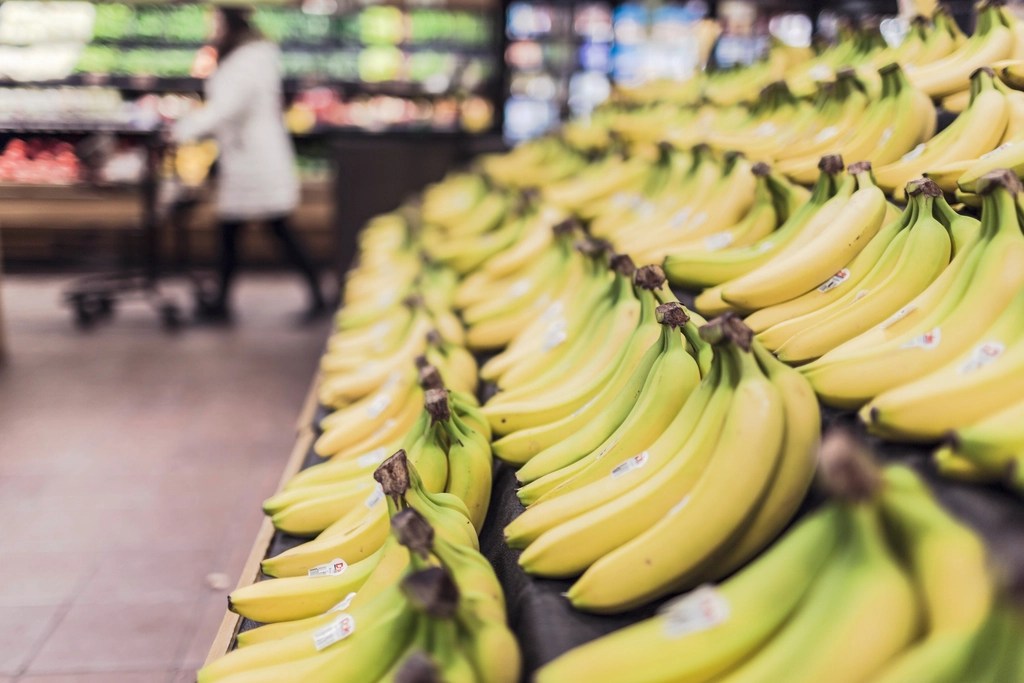
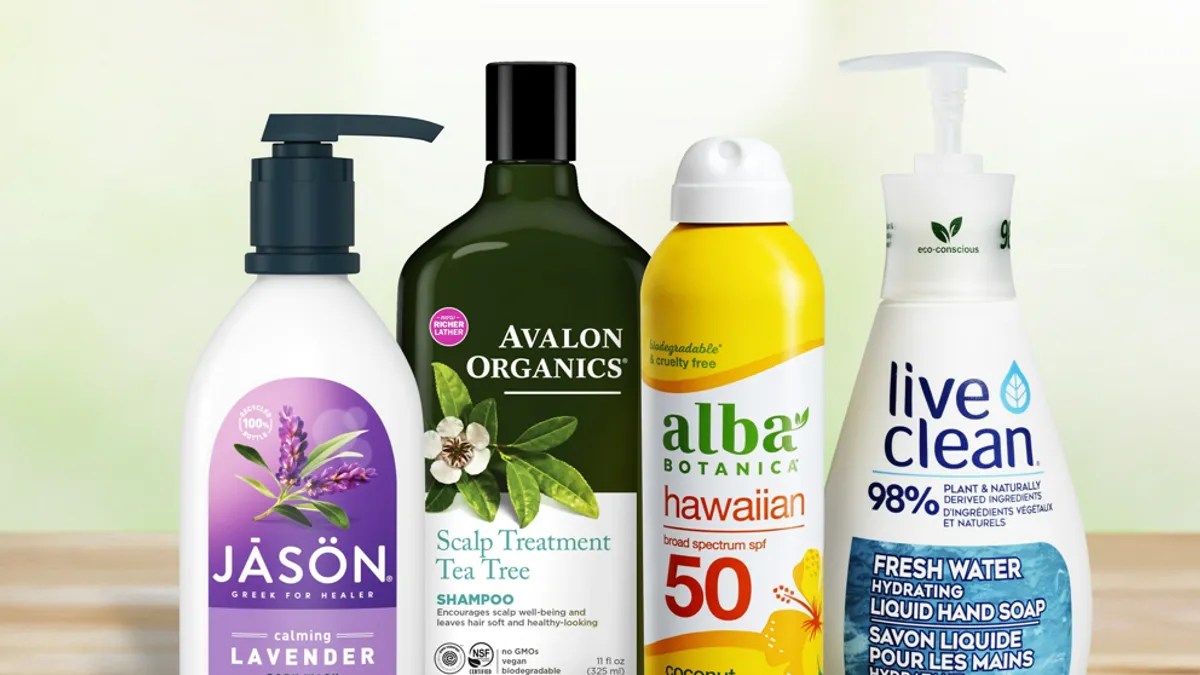
When Unilever’s new CEO Hein Schumacher took the helm last summer, he was ready to make sweeping changes to the consumer goods giant. One of these actions was reducing the number of SKUs in Unilever’s portfolio.

This process, known as SKU rationalization, eliminates the lowest-margin product versions and sizes to improve profitability and simplify the supply chain. 

“We are striving for lower complexity with over 20% reductions in SKUs, raw and packed materials and number of suppliers,” the CEO told analysts and investors during an earnings call early this year.

Analysts predict SKU rationalization, considered a cyclical trend, will continue for several years to come.
Continue reading on Packaging Dive.

Trucking companies think outside the box to build brand recognition

By Shefali Kapadia

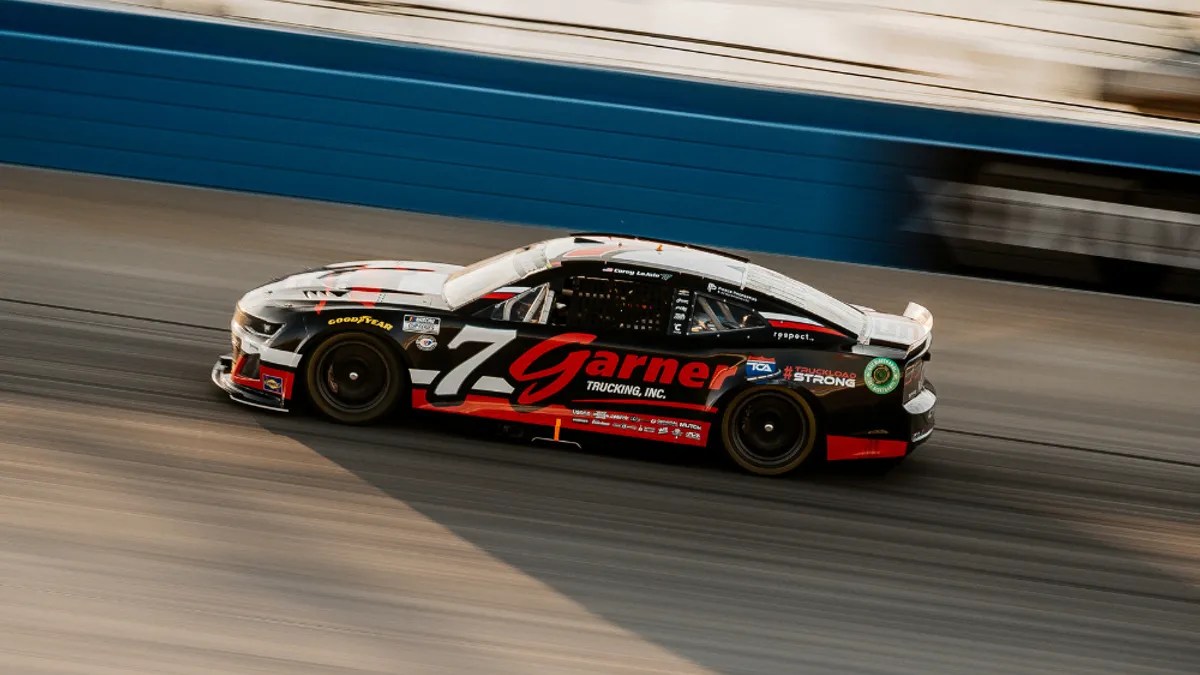
When Sherri Garner Brumbaugh first looked into a NASCAR sponsorship for her trucking company, she wasn’t sure how to make it work. She wondered how a regional carrier would stack up against big national brands like Menards and Lowe’s.

“It seemed like such a reach for a company like mine,” said Brumbaugh, president and CEO of Findlay, Ohio-based Garner Trucking, which operates 90 trucks and 350 trailers.

But after speaking with marketing executives associated with NASCAR, Brumbaugh realized she could fill a niche with trucks that haul race cars. Following several conversations and each side understanding the other’s needs and offerings, the “pieces just came together,” and Garner was able to market its brand via a NASCAR sponsorship.

Marketing isn’t always a focus for trucking companies, especially big fleets with household names. Their name recognition, network and capacity alone can be enough to win over shippers.

Continue reading on Trucking Dive.

Energy drinks buzz with new designs and sustainable packaging

By Shefali Kapadia

When energy drink manufacturers work with packaging supplier WestRock on projects such as rethinking their multipacks, they have a few requests. 

“We see the ongoing ask of us as suppliers to do things better, faster, cheaper, more sustainable,” said John Perkins, vice president of global packaging systems at WestRock.

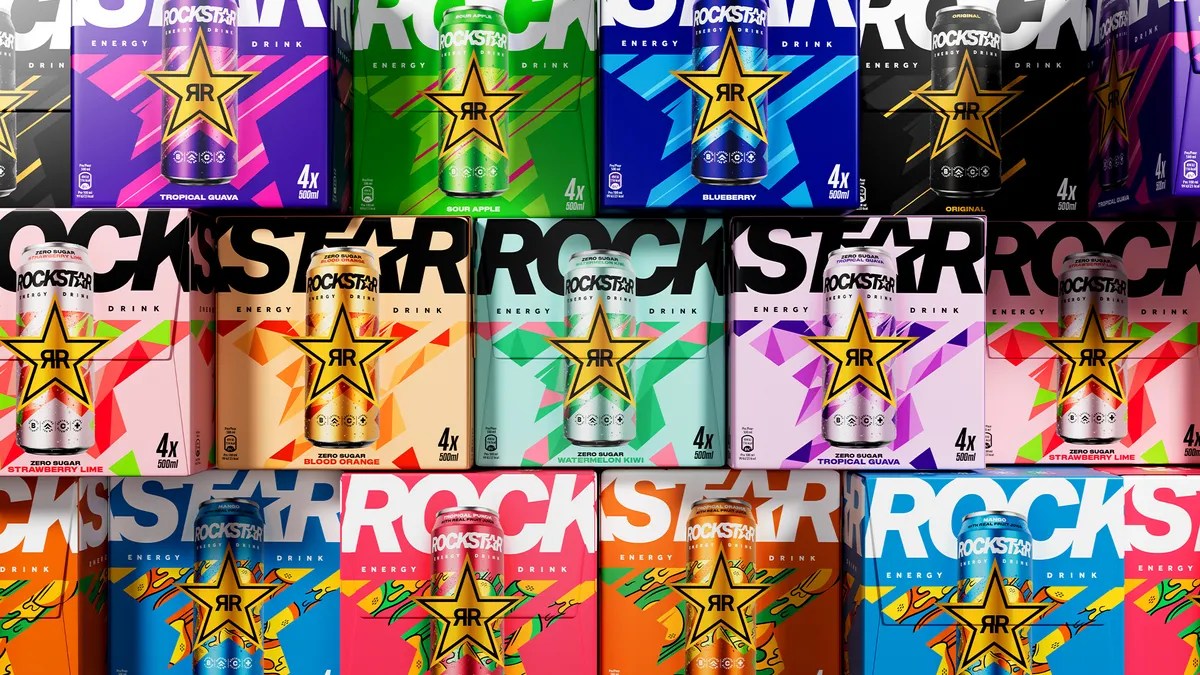
It may seem like a laundry list, but it’s critical in the buzzing sector that is energy drinks. Established companies, like Monster and Red Bull, are revamping portfolios and packaging designs. Newer entrants, like Celsius, are expanding rapidly with new SKUs and pack configurations. And brands within a larger portfolio, like PepsiCo’s Rockstar, are refreshing their looks. 

Continue reading on Packaging Dive.

At the Panama Canal: Booking slots open up at a waterway on the mend

By Shefali Kapadia

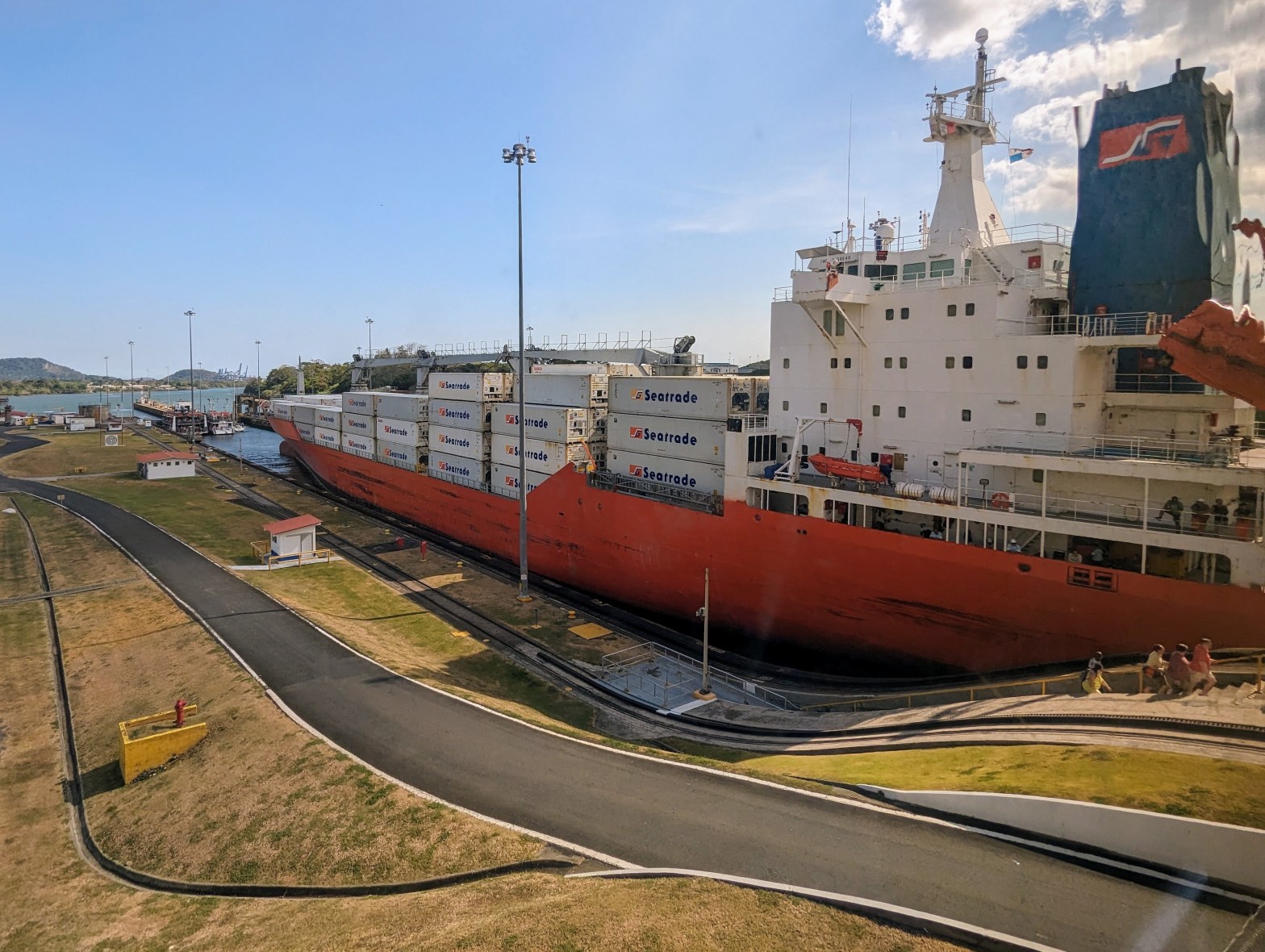
Visitors to the Panama Canal’s Miraflores Locks would have little indication something is amiss. The sun glistens on the water, which appears plentiful in the locks. Ships, carrying everything from containers to petroleum, await their turn. It’s an elegant dance — gates open, tugs pull the ship, water is pumped out and away the vessel goes.

It seems as if everything is normal, but shippers know that’s far from reality. The Panama Canal recently experienced some of its worst drought conditions in history. The canal reduced daily booking slots and maximum draft, leading shippers to face decisions on where and how to transport their cargo.

But things are turning a corner.

On March 18, the canal began to offer 26 booking slots daily, revised from the previous number of 24. Starting March 25, the canal started allowing 27 slots, a spokesperson for the Panama Canal said via email.

“Our efficient water saving measures have allowed us to increase the daily number of transits, while maintaining the 44-foot draft for the rest of the dry season,” the spokesperson said.

Continue reading on Supply Chain Dive.

From Coke to Hershey, CPGs search for their sweet spot in pack size

By Shefali Kapadia

One pack, two pack, big pack, small pack.

While CPG companies’ packaging strategies are far more complex than a Dr. Seuss book, the general principles hold true. As companies adjust or add pack sizes to meet changing consumer preferences, there are new implications from production to recycling.

“They’re going to have to make line changes and equipment changes,” said Jonathan Quinn, vice president of marketing and sustainability at Accredo Packaging. “There’s a waterfall effect, no matter which direction you go.”

But CPGs aren’t shying away from shifting pack design and size, a practice known as price pack architecture. This year, Coca-Cola rolled out its newest packaging innovation in the U.S.: “Sliim” cans, which contain the same 12 ounces as standard cans but in a taller, more slender shape. Beverages such as Coca-Cola Classic, Diet Coke, Fanta and others are in these cans nationwide. 

It’s part of the soft drink giant’s strategy to meet “consumers’ fast-changing preferences,” a Coca-Cola spokesperson said in an email.

“Many consumers are interested in smaller portion sizes, while others are trying to stock-up with larger multi-packs,” the spokesperson said. “We will continue to evolve to meet people’s preferences.”

Continue reading on Packaging Dive.

What’s old is new: Food and beverage brands put a modern spin on retro packaging

By Shefali Kapadia

Tony the Tiger has adorned boxes of Kellogg’s Frosted Flakes for decades, and many consumers distinctly remember TV commercials where Tony would proclaim, “They’re gr-r-reat!” For a limited time last spring, Kellogg Canada ran a campaign that tapped into those memories. 

The food giant released nostalgic versions of cereal brands and their mascots, from Froot Loops’ Toucan Sam to Rice Krispies’ Snap, Crackle and Pop. The retro Frosted Flakes featured a two-dimensional Tony, spoon in hand and tongue out, ready to dive into his breakfast.

Many storied food and beverage brands, from household confectioners to big soda names like Pepsi, are leaning on their decades of history to redesign packaging with elements of their past.

In 2022, Bazooka Bubble Gum turned 75 and commemorated the milestone with 1980s graphics on its packaging. And in January this year, Cadbury released retro packaging to celebrate 200 years. 

Whether brands do limited-time launches or complete overhauls, the goal is to create eye-catching packaging that connects with consumers. Retro designs that bring up feelings of nostalgia are one key way to do that.

“It’s always a trend that evokes emotion,” said Jason Vaught, director of content and marketing at CPG creative agency SmashBrand. 

Continue reading on Packaging Dive.

Why carriers, shippers use drop and hook in good times and bad

By Shefali Kapadia

Shipper and carrier needs ebb and flow with the cycles of the market, but one particular service remains in high demand: drop and hook.

The practice involves a carrier dropping off one trailer at a dock and attaching another pre-loaded one, rather than live loading. The programs are popular among carriers, drivers, brokers and shippers due to efficiency and reduced dwell time.

“It’s a service that shippers need and carriers want,” said Adam McDonough, VP of truckload, North American Surface Transportation at C.H. Robinson Worldwide.

In today’s soft freight environment, fleets and freight brokers can use drop-and-hook programs to combat low volume and secure long-term agreements with shippers. J.B. Hunt Transport Services saw that bear out in Q4. Volume fell 7% year-over-year in its truckload segment. But volume rose within its 360box drop-and-hook program.

“Having a trailer pool makes it stickier,” said Chris Caplice, chief scientist at DAT Freight & Analytics. Instead of volume changing with each bid, shippers and carriers doing drop and hook must commit to a certain amount of business with each other, he explained.

“That’s exactly the key thing that carriers want: consistency,” Caplice said.

Continue reading on Trucking Dive.

‘Nightmare’ at Anheuser-Busch: Delayed Pay Raises, Layoffs, Surveillance Frustrate Employees Amid Bud Light Fallout

By Lauren Elkies Schram

Anheuser-Busch InBev was ill-prepared when its partnership with an influencer who identifies as transgender, Dylan Mulvaney, stoked swift backlash.

On April 1, Mulvaney posted a video on Instagram promoting a Bud Light NCAA March Madness contest. The sponsored post included a custom can of beer with Mulvaney’s face on it, commemorating her first year of gender transitioning.

Some factions of conservative celebrities, politicians and consumers slammed Bud Light and called for a boycott of AB products. Bud Light’s sales plummeted and retailers were forced to decrease shelf space for the brand, causing Bud Light to fall off its perch as the leader in the U.S. beer market.

An operations manager who left the company of his own volition in the fall described the climate amid the Bud Light fallout as “a nightmare to say the least.”

Does Size Matter? A Look at CPGs’ Largest Warehouses

By Shefali Kapadia

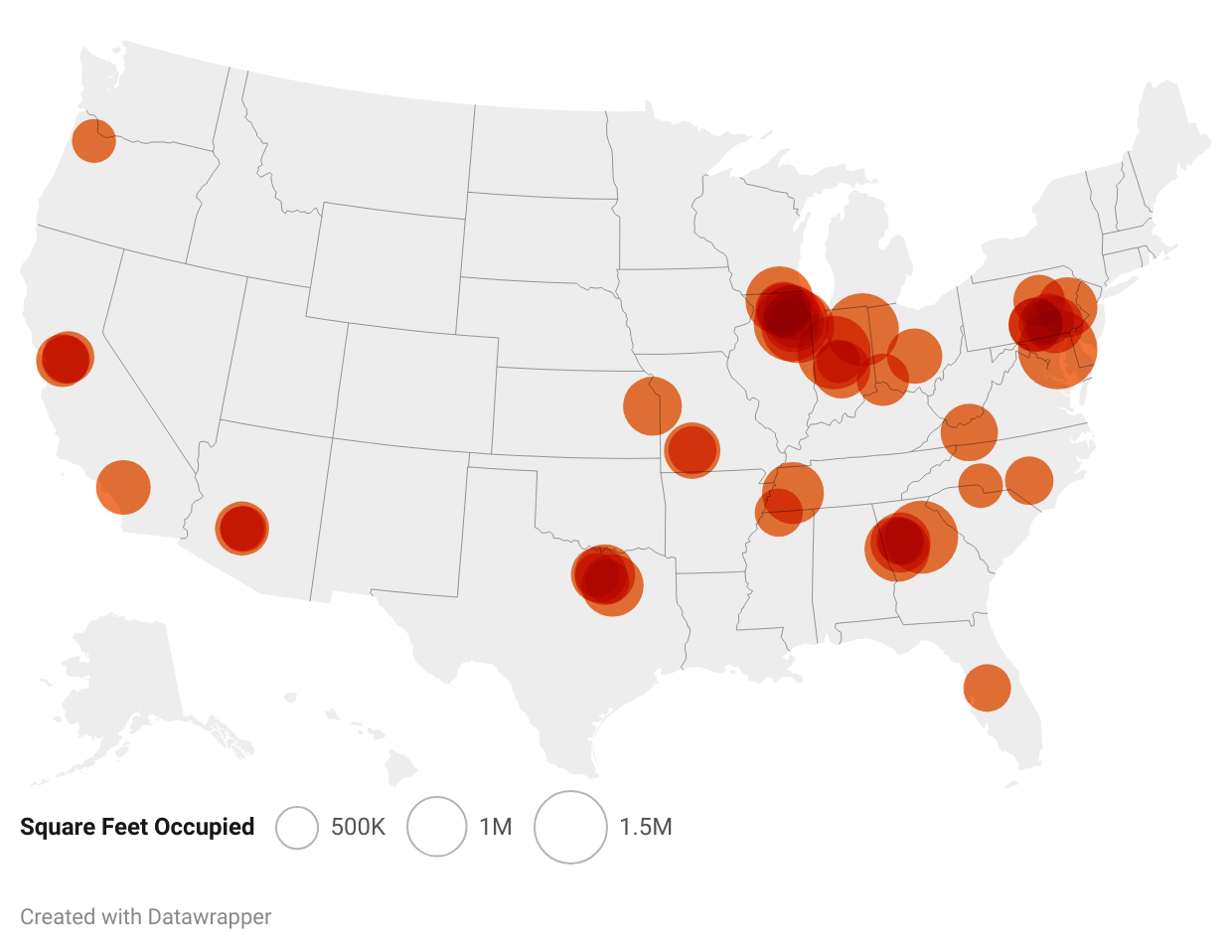
About 60 miles west of Chicago, bricks are being laid for a 775,000-square-foot building. That facility, in 2025, will be home to a Kraft Heinz distribution center.

The maker of Lunchables and Mac & Cheese deemed the facility “one of the largest automated CPG distribution centers in North America,” when it announced its $400 million investment to construct the warehouse. The center will “distribute its products to retail and foodservice customers faster than ever,” according to Kraft Heinz.

In a world where consumers and retail customers demand speedy delivery of a variety of products, food manufacturers have responded by occupying large distribution centers in major markets, allowing space to stock a wide range of SKUs that can quickly be transported to stores.

3 CPGs That Bucked Widespread Volume Declines

By Shefali Kapadia

Grocery baskets are looking a little emptier these days.

The majority of large food and beverage CPGs reported volume declines as they shared their latest quarterly financial results. Volume sales were down 2% YOY in mid-July across food and beverage, and average basket units were down 4.3% YOY, according to a Circana report.

Large packaged food manufacturers, in particular, are feeling the effects of slumping volumes.

“We’ve heard so far from a bunch of food companies that have reported earnings of … generally greater sluggishness in category volumes as pricing has lapped,” Barclays analyst Andrew Lazar said during Mondelēz International’s July earnings call.

Design a site like this with WordPress.com
Get started